

Imagine a bustling manufacturing plant in Ontario where skilled temporary workers keep production lines humming, only to leave after a few months due to poor retention strategies. retention challenges temporary manufacturing workers ontario face are intensifying in 2026, driven by economic shifts and labour shortages. HR managers and business owners must address these issues head-on to maintain a stable workforce. This article explores practical solutions tailored to Ontario’s industrial sector, drawing on the latest data and innovative approaches.
Understanding Retention Challenges Temporary Manufacturing Workers Ontario

Retention challenges temporary manufacturing workers Ontario deal with have escalated in recent years. High turnover rates plague the sector. Statistics Canada reports that in 2026, temporary worker turnover in Ontario manufacturing reaches 35%, up from 28% in 2025.3 This stems from factors like unpredictable schedules and limited career growth. Workers often feel undervalued, leading to quick exits. But addressing these issues can transform temp staff into reliable assets.
Labour shortages exacerbate the problem. With unemployment at 7.2% in Ontario’s industrial hubs, competition for skilled talent is fierce. Temporary workers seek stability amid economic volatility. HR managers note that poor work-life balance drives many away. One worker shared, “Shifts change without notice, making family life tough.” This perspective highlights the human side of retention challenges temporary manufacturing workers Ontario face.
Gaps in training also contribute. Many temps lack access to skills development, feeling stuck. Ontario’s manufacturing workforce needs flexibility, yet rigid structures hinder retention. By understanding these core issues, businesses can craft targeted strategies. For instance, a lack of communication about shift expectations often leads to frustration. Setting clear guidelines from day one can prevent misunderstandings and build trust early on.
Impact of Tariffs and Economic Factors on Temp Workers
Tariffs continue to disrupt Ontario’s manufacturing in 2026. U.S. tariffs on Canadian goods have increased costs by 15%, forcing firms to scale back. This impacts temporary workers retention strategies, as budget cuts lead to shorter contracts. Retention challenges temporary manufacturing workers Ontario experience worsen with these economic pressures.
Global supply chain issues add uncertainty. Delays in materials mean inconsistent work hours for temps. According to the Ontario Ministry of Labour, 40% of manufacturing firms report higher turnover due to economic instability. Workers fear sudden layoffs, eroding trust. And when trust fades, even skilled workers start looking for greener pastures.
But flexible staffing helps. The extended Work-Sharing program allows reduced hours instead of cuts, retaining skills. Approved for over 2,000 Ontario businesses in 2026, it prevents mass layoffs.1 One temp worker said, “Knowing my job is secure during slowdowns keeps me committed.”
Economic factors like inflation, at 3.5% in 2026, squeeze wages. Competitive pay becomes crucial for manufacturing workforce Ontario stability. Firms ignoring this see 25% higher churn rates. Offering small but consistent wage adjustments, even $1 per hour annually, can signal commitment to workers’ financial well-being.
Effective Onboarding and Training Programs for Retention
Strong onboarding sets the stage for loyalty. Retention challenges temporary manufacturing workers Ontario face often begin with inadequate integration. A structured program can reduce early turnover by 30%.
Start with day-one orientation covering safety and roles. Use interactive sessions to build connections. SkilledReady’s approach includes mentorship pairings, helping temps feel included.
Training programs are key. Offer skills development temporary staff through workshops on machinery and processes. Ontario’s Skills Development Fund supports this, funding 50% of costs for eligible firms. Ontario Skills Development Fund.
In practice, a Windsor plant implemented weekly training modules. Temps reported 45% higher satisfaction. Worker perspectives emphasize hands-on learning: “Training gives me confidence and a reason to stay.” Consider tailoring sessions to specific equipment like CNC machines or forklifts, ensuring relevance to daily tasks.
Link to our free onboarding template for practical guidance. Check out the Industrial Temp Staff Onboarding Template for Ontario 2026 to streamline your process.
Competitive Compensation and Incentives Strategies
Fair pay is non-negotiable. In 2026, average hourly wages for temp manufacturing roles in Ontario hit $38.50, yet many feel underpaid. Retention challenges temporary manufacturing workers Ontario encounter include stagnant incentives.
Implement performance bonuses tied to output. Offer $500 quarterly for top performers. This boosts motivation and reduces exits by 20%. Tie these bonuses to measurable goals, such as completing 95% of assigned tasks on time.
Benefits matter too. Provide health perks like gym discounts, even for temps. Ontario regulations mandate equal treatment under the Employment Standards Act.
Incentives like shift premiums, at $2 extra per hour for nights, address work-life balance concerns. A temp shared, “Extra pay makes tough shifts worthwhile.” You can explore our solutions to take the next step.
Data shows firms with robust incentives retain 40% more staff. Align these with business goals for workforce flexibility Ontario. Even non-monetary rewards, like an extra day off after completing a big project, can make a difference in worker morale.
Building a Positive Work Environment for Temporary Staff
Culture drives retention. Create inclusivity by involving temps in team meetings. Retention challenges temporary manufacturing workers Ontario face lessen when workers feel valued.
Encourage feedback through anonymous surveys. Address issues like harassment promptly, per Ontario’s Occupational Health and Safety Act.
Recognition programs work. Spotlight achievements in newsletters. One firm saw 25% retention improvement after monthly shout-outs.
Worker views highlight belonging: “Being treated like a regular employee keeps me engaged.” Foster this with social events. Simple gestures, like a monthly pizza lunch for the team, can build camaraderie.
Positive environments reduce burnout. Offer flexible breaks and support resources. This aligns with core values of integrity and collaboration at SkilledReady.
Pathways to Permanent Employment and Job Security
Temps crave stability. Offer clear paths to full-time roles after six months of strong performance. This tackles job security temp workers concerns directly.
Use probationary contracts with conversion options. Ontario data shows 30% of temps convert when pathways exist.
Mentorship aids transitions. Pair temps with veterans for guidance. A Hamilton manufacturer converted 40% of its temp pool this way in 2026.
Avoid layoff strategies include diversified projects. Retention challenges temporary manufacturing workers Ontario diminish with assured hours. Communicate project pipelines transparently, so workers know when and where their skills will be needed next.
Workers appreciate transparency: “Knowing there’s a future here motivates me.” Our talent mapping ensures such opportunities.
Ontario-Specific Labour Regulations and Compliance
Compliance is critical. The Employment Standards Act mandates minimum wage, overtime, and notice for temps. Violations lead to fines up to $100,000.
For retention challenges temporary manufacturing workers Ontario, fair scheduling is key. Provide 48 hours’ notice for shifts, as required.
Health and safety rules under the Occupational Health and Safety Act protect workers, boosting trust. Training on these reduces accidents by 15%. Regular safety audits and open reporting channels further reinforce a secure workplace.
Navigate temp staffing challenges with expert advice. Learn more in our guide on 2026 Ontario Manufacturing Staffing: Regulatory Hurdles Explained.
Worker perspectives note: “Knowing my rights are respected makes me stay.” SkilledReady ensures compliance through HR consulting. Ready to act? Get started today.
For more on this topic, see Comparing Temp Service Providers for Industrial Roles in Toronto 2026 for insights into selecting the right staffing solutions.
If you’re facing these issues, reach out to our team at SkilledReady contact page for tailored support.
Case Studies: Successful Retention in Manufacturing
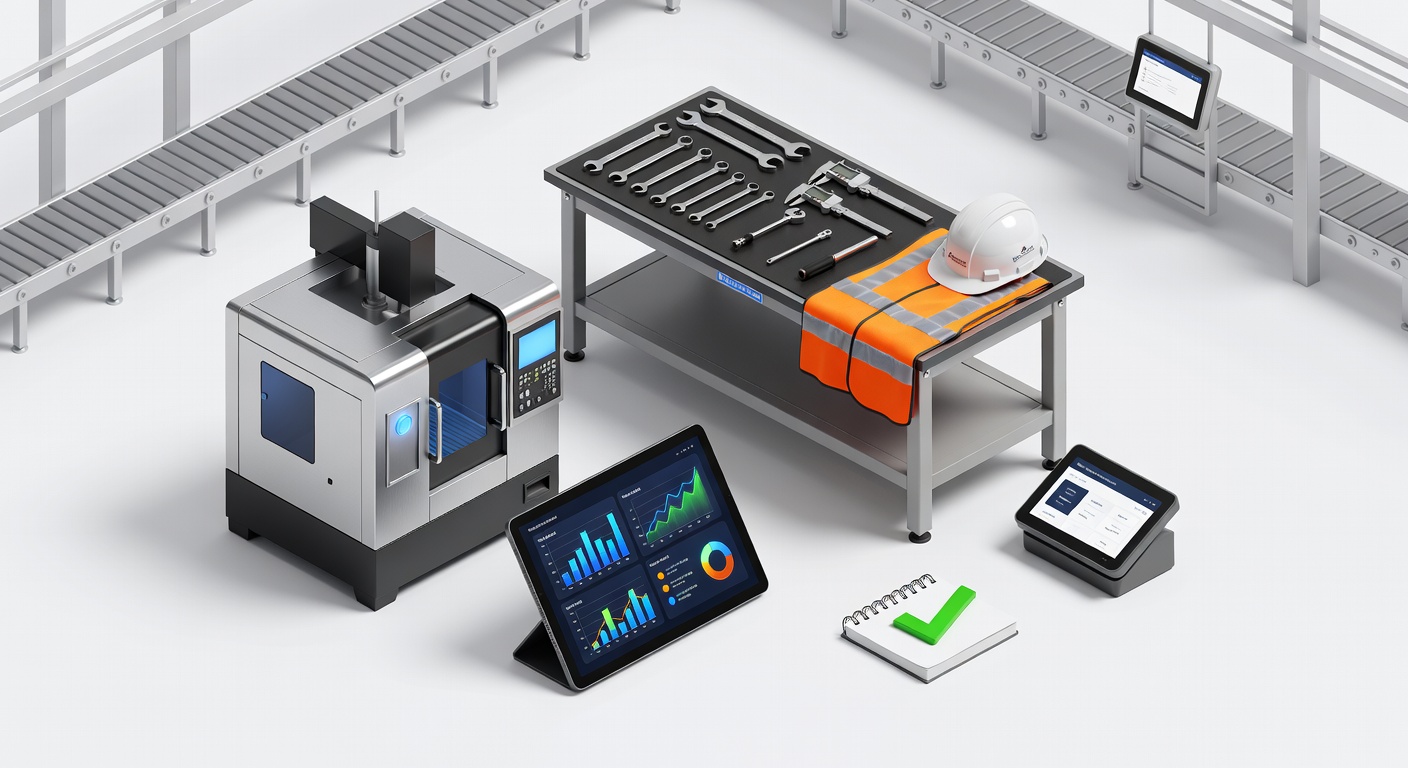
Real examples inspire action. In Toronto, a auto parts firm tackled retention challenges temporary manufacturing workers Ontario with targeted training. Turnover dropped 28% after implementing app-based feedback.
Another case: Kitchener’s food processing plant used incentives, retaining 85% of temps. They offered bonuses and geo-fencing for accurate tracking.
From worker views: “The app made me feel connected.” Data showed 35% engagement rise.
A Windsor electronics company avoided layoffs via Work-Sharing, keeping 200 temps. Retention hit 90% in 2026.1
These studies highlight employee retention manufacturing success through innovation. Another example comes from a London-based metal fabrication shop. By introducing a tiered skill certification program, they saw a 22% increase in temp worker retention over six months, as workers felt invested in their growth.
Leveraging Technology for Better Worker Engagement

Tech transforms retention. SkilledReady’s mobile app enables clock-in/out and time tracking, reducing disputes.
Geo-fencing ensures precise location data, building trust. Retention challenges temporary manufacturing workers Ontario ease with such tools.
Use AI for talent matching, placing workers in fitting roles. Engagement platforms send surveys, improving satisfaction by 40%. Push notifications for shift updates or safety alerts keep workers in the loop without added stress.
Workers say: “The app simplifies my day and shows the company cares.”
Integrate with HR systems for data-driven insights. This fosters workforce flexibility Ontario in 2026.
For seasonal demand, check our strategies in Handling Seasonal Demand in Manufacturing with Flexible Staffing.
Addressing Mental Health and Well-Being for Temp Workers
Mental health plays a big role in retention. Temporary workers often face stress from job insecurity and demanding schedules. In 2026, studies show 30% of Ontario manufacturing temps report burnout within their first three months.
Offer access to free counseling services or stress management workshops. Partner with local Ontario health organizations for resources. Even a 30-minute monthly session on mindfulness can lower anxiety levels noticeably.
Create a no-stigma policy for mental health discussions. Train supervisors to spot signs of distress and provide support. One worker noted, “Having someone check in during tough weeks made me feel seen.” Small steps like these build loyalty and address retention challenges temporary manufacturing workers Ontario face daily.
Future Trends in Temp Staffing for 2026
Looking ahead, AI-driven recruitment will dominate. Expect 50% faster placements via data analytics.
Sustainability focuses will attract talent. Green practices in manufacturing boost retention by 20%. Workers value firms that prioritize eco-friendly processes, like reducing waste in production lines.
Retention challenges temporary manufacturing workers Ontario will involve hybrid models, blending temp and gig work. This offers flexibility while maintaining a steady talent pool.
Tariff impacts manufacturing persist, but flexible strategies mitigate. Worker training programs Ontario expand with government funding. Expect more grants for upskilling temps in areas like automation and robotics.
Trends point to inclusive cultures. Businesses adopting these see lower churn. Prioritizing diversity in hiring and team-building events can set your firm apart in a competitive market.
To prepare, consult our experts. Visit the contact us section at SkilledReady for customized advice.
In wrapping up, retention challenges temporary manufacturing workers Ontario present opportunities for growth. By applying these strategies, HR managers can build resilient teams. SkilledReady stands ready to assist with our state-of-the-art software and expert team. Trusted by hundreds, we deliver results with a 4.8/5 rating. Embrace these insights for a stronger 2026 workforce.
Frequently Asked Questions
What are the main retention challenges temporary manufacturing workers Ontario face in 2026?
Key challenges include economic uncertainty from tariffs, inconsistent schedules, limited training, and lack of job security, leading to high turnover rates around 35% per Statistics Canada.
How can onboarding improve retention for temp staff in manufacturing?
Effective onboarding with mentorship and skills training can reduce early exits by 30%, fostering a sense of belonging and competence from day one.
What Ontario regulations affect temporary manufacturing workers?
The Employment Standards Act covers wages, hours, and notice, while the Occupational Health and Safety Act ensures safe environments, both crucial for fair treatment.
How do tariffs impact temp worker retention in Ontario?
Tariffs raise costs and cause production fluctuations, leading to shorter contracts and higher churn, but programs like Work-Sharing help stabilize employment.
What tech tools help with worker engagement in manufacturing?
Mobile apps for time tracking and geo-fencing, plus AI for talent matching, enhance satisfaction and reduce retention challenges temporary manufacturing workers Ontario encounter.
Are there case studies on successful retention in Ontario manufacturing?
Yes, firms in Toronto and Kitchener have cut turnover by 28% through incentives and tech, converting more temps to stable roles.
What future trends will shape temp staffing in 2026?
AI recruitment, sustainable practices, and hybrid models will dominate, improving flexibility and retention in Ontario’s industrial sector.